
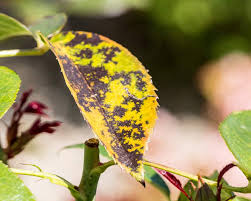
Black spot is one of the most common diseases found on roses, but it can also occur on other ornamental and garden plants. This fungal disease causes black, round spots that form on the upper sides of leaves. Lower leaves are usually infected first. Severe infestations cause infected leaves to turn yellow and fall off the plant. Black spot is a problem during extended periods of wet weather or when leaves are wet for 6 hours or more. Black spot spores overwinter in the fallen leaves.
Tips for Controlling Black Spots on Leaves
- Plant in well-draining soil. Keep your plants healthy by providing regular feedings of organic fertilizer. This will help prevent fungal disease in plants.
- The fungus spores overwinter in plant debris. Remove dead leaves and infected canes from around the plants and disguard in the trash. Do not add to the compost pile.
- Disinfect your pruners with a household disinfectant after every use. Ethanol or isopropyl alcohol can be used straight out of the bottle.
- Because water (not wind) spreads the fungal spores, avoid applying water on the leaves. When you water, apply water directly to the roots. Use a soaker hose to water plants prone to the disease.